Strategic Alpine Logistics: How to Reduce Ski Gear Costs (2026)
The barrier to entry for high-altitude sports is often framed as a matter of geography, yet for the consistent practitioner, the true constraint is financial architecture. Alpine skiing, by its very nature, demands a high concentration of specialized hardware that must operate under extreme thermal and mechanical stress. This reality creates a capital-intensive environment where the initial purchase is merely the first layer of a complex expenditure profile. To approach this field without a rigorous fiscal strategy is to accept a high rate of “capital leakage”—where money is spent on features that provide diminishing returns or on maintenance cycles that could have been avoided through better planning.
Modern alpine logistics have been shaped by a retail cycle that favors rapid turnover and aesthetic novelty over mechanical longevity. This has created a secondary market and a technological landscape that are difficult to navigate for those who do not understand the underlying “depreciation curves” of various materials. For example, a carbon-fiber boot shell may offer significant weight advantages for the backcountry traveler, but its susceptibility to fatigue and its higher price point create a different total cost of ownership compared to a traditional polyurethane overlap boot. Understanding these nuances is the first step toward achieving operational efficiency in the mountains.
Strategic financial management in this sector requires a departure from the “budgeting” mindset that looks for the lowest sticker price. Instead, it demands a “value-per-day” calculation that accounts for durability, resale potential, and the performance ceiling of the equipment. A cheap ski that loses its structural “pop” after twenty days of hard use is objectively more expensive than a premium model that remains vibrant for one hundred. This analysis establishes a definitive framework for navigating these variables, prioritizing intellectual honesty and technical depth over superficial savings.
Understanding “how to reduce ski gear costs”
In the context of technical hardware, “cost” is a multi-dimensional metric that includes acquisition, maintenance, and the eventual cost of replacement. When we analyze how to reduce ski gear costs, we are essentially discussing the optimization of the asset lifecycle. The most common misunderstanding in this domain is the focus on “discount hunting.” While purchasing last year’s model at a 40% discount is a valid tactic, it is a low-leverage activity compared to the systemic savings found in professional-grade maintenance or strategic “quiver” consolidation.
Oversimplification occurs when users ignore the “compatibility tax.” This is the invisible cost incurred when a skier buys a discounted piece of gear that does not integrate with their existing system—such as a touring binding that requires a specific boot sole, or a high-performance ski that demands a higher-DIN binding than the user currently owns. These mismatches lead to secondary purchases that quickly erode the initial savings. A sophisticated approach treats the equipment as a unified system, ensuring that every acquisition is a “force multiplier” for the existing inventory.
Furthermore, reducing costs requires a cold assessment of “performance necessity.” The industry’s marketing machine often creates a sense of urgency around marginal technological gains. For the vast majority of skiers, the difference between a “Flagship” model and the “Second-Tier” model (which often shares 90% of the same DNA) is imperceptible in real-world conditions. Mastery of cost reduction lies in identifying where “good enough” meets mechanical safety, and where the “premium” price is simply a tax on vanity.
The Historical Trajectory of Alpine Retail Economics
Historically, ski gear followed a predictable “innovation-to-commodity” pipeline. A new technology, such as the shaped ski or the carbon-integrated boot, would debut at a premium price and trickle down to the mid-market within three years. However, the modern era is characterized by “hyper-segmentation.” We now see gear designed for hyper-specific niches—lightweight touring, frontside carving, freeride-comp—which prevents true commoditization. This fragmentation keeps prices high because production runs are smaller and tooling costs are specialized.
The rise of the “Direct-to-Consumer” (DTC) model has provided the first significant structural disruption in decades. By bypassing the traditional retail markup, these brands have effectively shifted the price floor for high-quality hardware. However, this shift places a higher burden of “technical literacy” on the consumer. Without a salesperson to guide the fit, the risk of a “wrong purchase” failure mode increases, potentially negating the savings of the DTC model.
Conceptual Frameworks for Capital Optimization
To filter out the noise of seasonal sales and marketing hype, we can apply specific mental models to evaluate how to reduce ski gear costs.
1. The Total Cost of Ownership (TCO)
Every asset has a “burn rate.” A ski that costs $800 and lasts 200 days has a TCO of $4/day. A ski that costs $400 but dies after 40 days has a TCO of $10/day.
-
The Goal: Maximize the denominator (days used) rather than just minimizing the numerator (price).
2. The Core-Satellite Inventory Model
Invest heavily in “Core” items that have high biological contact and long lifespans (boots, custom footbeds). Use “Satellite” strategies (rentals, used markets, end-of-season sales) for high-wear or niche items (skis, poles, goggles).
-
The Goal: Anchor the system in high-quality components that prevent physical injury or discomfort.
3. The “Demo-to-Buy” Logic Gate
Never buy a specialized ski without testing it. The cost of a two-day demo is a “premium” paid to avoid the catastrophic cost of owning a $900 ski that you dislike.
-
The Goal: Treat the demo fee as an insurance policy against poor acquisition.
Taxonomy of Acquisition Channels and Trade-offs
Selecting the right channel is the primary lever for immediate cost management.
| Channel | Typical Discount | Primary Risk | Hidden Benefit |
| End-of-Season Retail | 30% – 50% | Limited size availability | Full manufacturer warranty |
| “Pro-Form” / Industry | 40% – 60% | Restricted to professionals | Access to current-year tech |
| Used Market (Local) | 50% – 80% | Hidden structural damage | Negotiation leverage |
| Direct-to-Consumer | 20% – 30% | Lack of in-person fitting | Leaner supply chain quality |
| Rental Fleet Sales | 60% – 75% | High “mileage” on gear | Professionally maintained |
Realistic Decision Logic
If the goal is to equip a growing adolescent, the “Used Market” is the only logical choice due to the rapid obsolescence of size. For a dedicated adult athlete, the “End-of-Season Retail” channel offers the best balance of safety and savings.
Operational Scenarios and Financial Constraints
Scenario A: The Five-Day Traveler
-
Constraint: High transit costs; limited mountain days.
-
The Plan: Purchase boots only. Use high-performance demo rentals for skis.
-
Economic Logic: Avoids the $100-$200 oversized baggage fees and the capital lock-up of a ski that sits in a closet 360 days a year.
Scenario B: The Local Season-Pass Holder
-
Constraint: High frequency; diverse snow conditions.
-
The Plan: A “Quiver-of-Two” strategy. One mid-waist all-mountain ski and one specialized powder ski bought used.
-
Economic Logic: Reduces wear on the primary ski, extending its life, and ensures the “fun factor” is maintained during outlier weather events.
Economics: Direct, Indirect, and Opportunity Costs
The financial footprint of a ski season is often skewed by “invisible” costs.
| Cost Layer | Estimated Range (USD) | Economic Character |
| Primary Gear (Boots/Skis) | $1,200 – $2,500 | Sunk Capital / Depreciating |
| Transit / Baggage Fees | $150 – $400 / trip | Pure Friction Cost |
| Tuning / Maintenance | $100 – $300 / year | Preservation Expense |
| Opportunity Cost | Variable | Time spent researching vs. skiing |
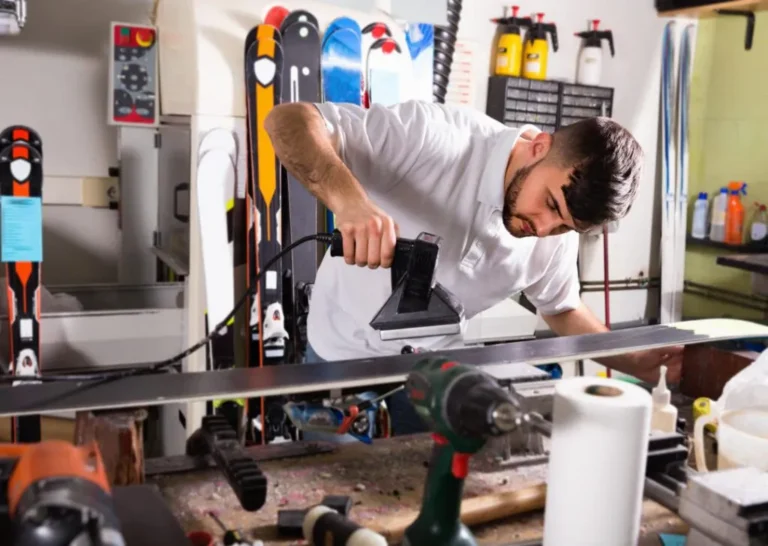
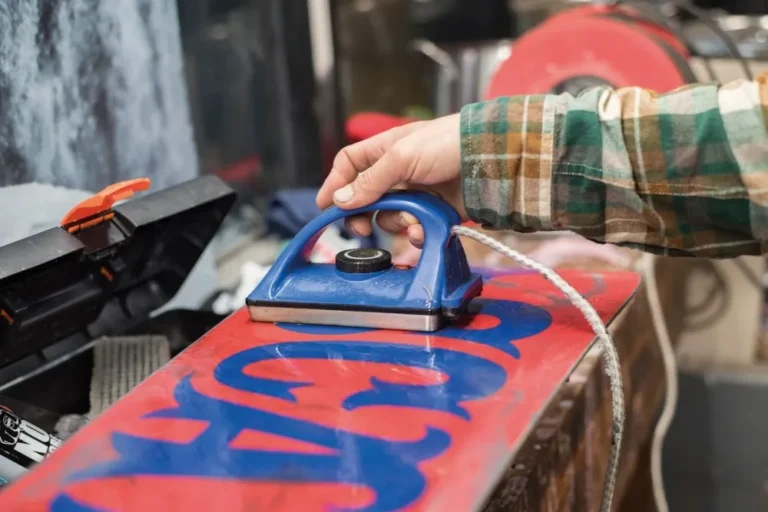
Variable Model: By learning “Home Tuning” (waxing and edge maintenance), a skier can save $40-$60 per session. Over a twenty-day season, this pays for a high-end helmet or goggles, converting “labor” into “hardware.”
Support Systems: Integration and Technical Tuning
Managing how to reduce ski gear costs involves a commitment to the “Support Layer.”
-
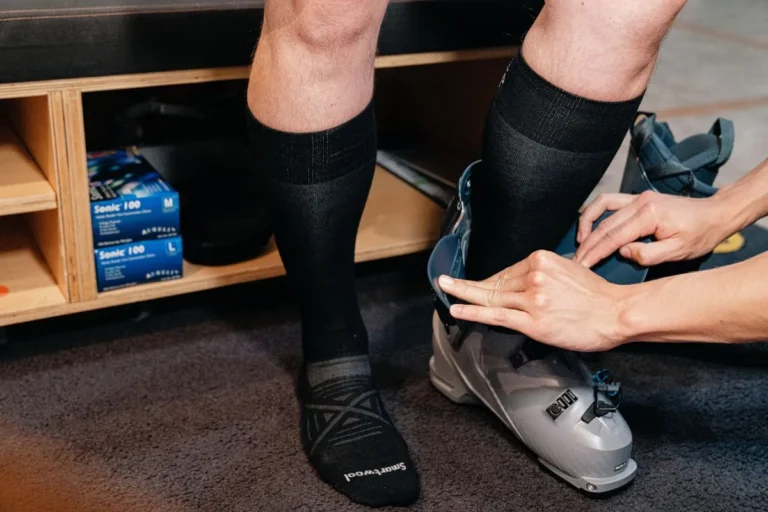
Boot Fitting: Spending $150 on a professional boot fitter is a cost-saving measure. It prevents the $600 failure of buying a second pair of boots because the first pair was unbearable.
-
P-Tex and Wax Kits: Small investments in base repair materials prevent “core shots” from becoming permanent delamination.
-
Storage Governance: Storing gear in a temperature-controlled, dry environment prevents the $50-$100 cost of a professional rust-removal grind in the autumn.
-
Resale Management: Using platforms like “SidelineSwap” or local “Ski Swaps” allows a user to recoup 30% of their investment after two years, which can be rolled into new hardware.
The Risk Landscape: Strategic Failure Modes
The pursuit of lower costs can introduce systemic risks if not managed with technical judgment.
-
The “Old Binding” Hazard: Buying used skis with bindings that are no longer on the “Indemnified List.” Shops will not work on these, and the springs may have lost their calibration, creating a high risk of tib-fib fractures.
-
The “Too-Soft” Plastic: Beginner boots use cheaper, softer plastics. For an aggressive skier, these “cheap” boots will deform under load, leading to a loss of control.
-
Compounding Maintenance Debt: Ignoring a minor base scratch allows moisture to enter the wood core. This causes the core to rot and swell, effectively “killing” the ski from the inside out.
Governance, Maintenance, and Asset Preservation
A robust equipment strategy includes a “review cycle” to ensure the gear is still performing at its price point.
-
The 10-Day Audit: Every ten days of skiing, inspect the “structure” of the base. If it looks “hairy” or white, it’s oxidized. Re-waxing immediately is cheaper than a $80 stone grind later.
-
Summer Storage: Apply a “thick” layer of wax over the edges but do not scrape it. This protects the steel from oxidation during the humid off-season.
-
Bolt Torque Check: Every mid-season, ensure binding screws are still seated. Vibrations can loosen hardware, and a “pulled” binding is an expensive repair.
Metrics of Success: Evaluating the Financial Interface
How do we measure the effectiveness of our cost-reduction strategy?
-
Leading Indicator: The “Days per Dollar” ratio. Track every day on snow against the total gear spend.
-
Lagging Indicator: The resale value at the end of the second season. If you can sell a ski for 40% of its buy price, your net cost was remarkably low.
-
Qualitative Signal: The absence of “Gear Frustration”—the moment you stop thinking about the equipment because it simply works.
Addressing Systemic Misconceptions
-
“Rental gear is for beginners”: High-end “Performance Demos” are often the most cost-effective way for intermediates to ski the newest technology without the $1,000 entry fee.
-
“Carbon is better”: Carbon is lighter, but it’s also more expensive and has a shorter “fatigue life” than high-quality wood and metal. For resort skiing, metal-laminate skis often provide better long-term value.
-
“Helmets don’t expire”: EPS foam degrades. A “cheap” 10-year-old helmet is functionally useless. This is one area where “reducing costs” should never be the priority.
Ethical and Environmental Context
The “Fast Fashion” of the ski industry—buying new gear every season—has a high carbon footprint. Strategic cost reduction often aligns with environmental stewardship. Buying high-quality gear and maintaining it for six seasons rather than two is the single most effective way to reduce the environmental impact of your skiing. Furthermore, supporting brands that offer “Repair and Renew” programs ensures that the lifecycle of the product is maximized.
Conclusion: The Synthesis of Alpine Design
The ultimate goal of understanding how to reduce ski gear costs is to ensure that financial constraints never become the bottleneck for mountain experience. By treating equipment as a long-term capital asset rather than a disposable commodity, the skier gains a sense of technical command. Mastery lies in the ability to distinguish between essential performance and marketing fluff.